Developing strong reading skills is a cornerstone of academic success, yet many parents find themselves wondering how best to support their children's literacy development outside of the classroom. Understanding that consistent reinforcement and targeted strategies can make a significant difference, Literacy Enhancement Strategies is here to share effective techniques. This post outlines five classroom-tested reading strategies that parents can easily implement at home to foster a love for reading and improve comprehension.
Empowering Decoding Skills with Phonics Fun
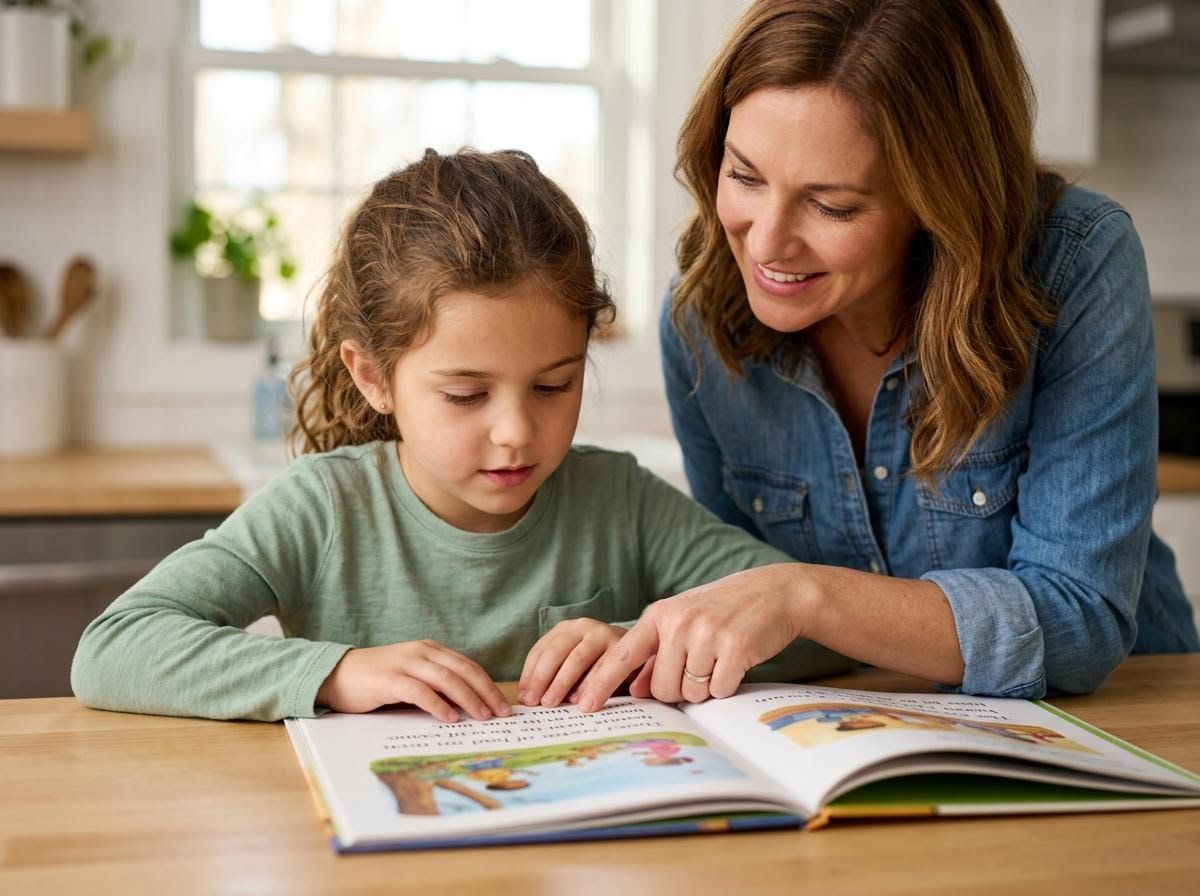
One of the most foundational strategies for early readers is to focus on phonics and decoding. Encourage your child to "sound out" unfamiliar words by breaking them into smaller parts, identifying individual letter sounds, and then blending them together. This isn't just about memorizing sounds; it's about understanding how letters work together to form words. You can make this interactive by using flashcards, segmenting words with claps or taps, or even writing words down and circling tricky letter combinations. For children who face persistent difficulties with decoding, even with home practice, specialized assistance like reading tutoring or an elementary tutor can provide tailored support.
Boosting Comprehension with Strategic Questioning
Beyond just reading the words, understanding the meaning of the text is crucial. A powerful strategy to enhance comprehension is to engage in strategic questioning before, during, and after reading. Before reading, ask what they think the story will be about based on the cover or title. During reading, pause to ask "who," "what," "where," "when," "why," and "how" questions. For example, "What is the main character doing now?" or "Why do you think that happened?" After reading, ask them to summarize the main points or identify the problem and solution in the story. This practice encourages active engagement with the text and helps children develop critical thinking skills.

Making Connections and Visualizing the Story
To truly immerse themselves in a story, readers benefit from making connections and visualizing. Encourage your child to connect what they are reading to their own experiences (text-to-self), to other books they've read (text-to-text), or to events in the world (text-to-world). For instance, "Does this character remind you of anyone you know?" or "Have you ever felt like the character in this story?" Additionally, prompt them to create mental images as they read. Ask questions like, "What do you picture happening in your mind right now?" or "What does the setting look, sound, and smell like?" These techniques make reading more vivid and memorable, particularly beneficial for building empathy and understanding complex narratives. This kind of active engagement can also be a key component of dyslexia support for kids, helping them to process and retain information more effectively.
Building Fluency and Enjoyment Through Repeated Reading
Fluency—the ability to read accurately, at a good pace, and with expression—is essential for comprehension. One effective classroom strategy for building fluency is repeated reading. Choose a short, engaging passage or book and have your child read it aloud multiple times over a few days. Don't focus solely on speed; emphasize reading with expression, pausing at punctuation, and understanding the tone. You can model fluent reading first, and then take turns reading sentences or paragraphs. This practice helps children recognize words more quickly and automatically, freeing up their cognitive resources to focus on meaning. This strategy is also particularly effective when paired with professional dyslexia tutoring, which often incorporates structured, multi-sensory approaches to improve reading flow.

Cultivating a Positive Reading Environment
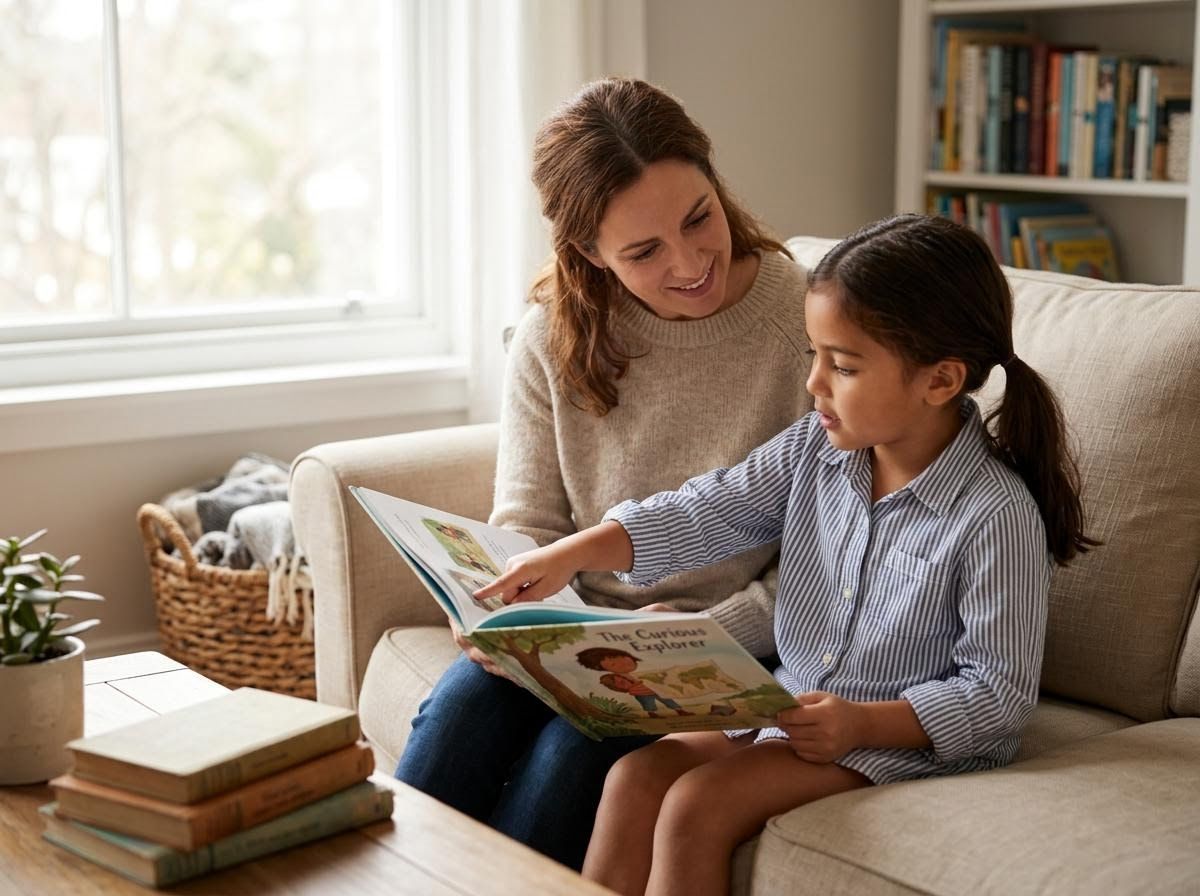
Creating a home environment that values reading is perhaps the most overarching strategy. Make reading a regular, enjoyable part of your daily routine, even if it's just 15-20 minutes. Keep a variety of age-appropriate books, magazines, and other reading materials accessible. Let your child choose what they want to read, fostering a sense of ownership and interest. Read aloud to them, even if they are older, to model good reading habits and expose them to more complex vocabulary and story structures. Celebrate their reading achievements, no matter how small, and remember that patience and positive encouragement are key.
Enhancing a child's reading abilities at home doesn't require specialized training; it simply demands consistency, patience, and the application of proven strategies. By incorporating these classroom-tested techniques into your family's routine, you can significantly bolster your child's literacy skills and foster a lifelong love for reading. To explore more personalized support and resources tailored to your child's unique learning journey, we invite you to learn more about the comprehensive services offered by Literacy Enhancement Strategies.